
Exterior Design
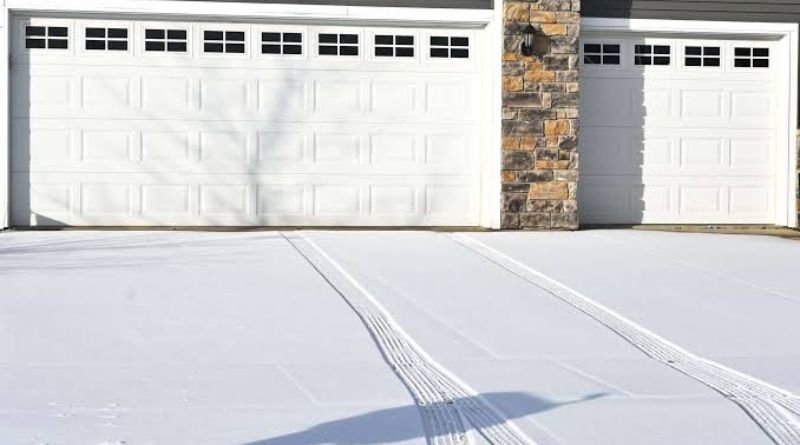
How Cold Weather Affects Garage Openers
October 16, 2026
As winter approaches and temperatures drop below freezing, homeowners across the country begin insulating pipes, servicing furnaces, and preparing their properties for harsh weather. While indoor heating and roof maintenance usually command attention, understanding how cold weather garage openers perform under extreme thermal stress is equally crucial for maintaining daily home accessibility and security. Cold weather exerts significant physical and electrical pressure on motorized drive units, causing sluggish response times, loud mechanical grinding, or sudden operational failure. Your automatic overhead door operator relies on delicate circuit boards, electric motor windings, lubricated drive gears, and consistent battery voltage to lift hundreds of pounds smoothly. Sub-zero temperatures harden internal lubricants, reduce battery output, contract metal drive rails, and increase mechanical drag across the entire door assembly. Taking a proactive approach to winter preparation safeguards your motor, prevents unexpected garage lockouts, and extends the lifespan of your garage door operator. Key Takeaway: Freezing temperatures increase mechanical drag, drain backup batteries, and thicken drive gear lubricants. Performing seasonal maintenance and adjusting opener force settings before winter prevents sudden motor burnouts and maintains reliable garage entry. The Primary Impacts of Cold Weather Garage Openers Sub-zero climate conditions alter the physical and electrical environment in which your garage door operator functions. Recognizing how freezing temperatures disrupt opener components allows you to apply targeted maintenance solutions before problems arise. Thickened Gear Lubricant:Cold weather thickens factory grease inside opener gearboxes and along drive rails, turning fluid lubricant into a sticky gel that increases motor resistance. Depleted Backup Battery Capacity:Freezing ambient air slows chemical reactions inside emergency backup batteries, drastically reducing their voltage and overall charge retention. Contracted Metal Drive Rails:Steel and aluminum drive rails contract in extreme cold, altering chain or belt tension and increasing friction along the traveling trolley. Stiffened Logic Boards and Sensors:Rapid temperature fluctuations cause condensation on internal circuit boards and align safety sensor brackets out of position as metal frames shift. 4 Common Mechanical Failures Caused by Sub-Zero Temperatures Understanding the specific failure points caused by cold weather helps you diagnose issues quickly and avoid unnecessary component replacements. Motor Overloading and Tripping Force Limits Automatic openers feature built-in force sensitivity limits designed to stop and reverse the door if an obstruction is detected. In freezing weather, thickened track grease, contracted springs, and stiff weather seals increase overall resistance. The opener misinterprets this extra friction as a solid obstruction, causing the door to stop mid-travel or reverse automatically. Stripped Internal Drive Gears Many residential openers use high-strength plastic or nylon drive gears inside the main motor housing. When freezing temperatures harden track grease and stiffen door hardware, the motor must exert far more torque to move the door. This excessive resistance can strip plastic gear teeth, leaving the motor humming without moving the drive chain or belt. Safety Sensor Condensation and Misalignment Infrared photo-eye safety sensors mounted near the garage floor are highly sensitive to winter weather conditions. Warm air from an attached home meeting freezing garage air creates condensation or frost on sensor lenses, blocking the invisible beam. Additionally, ground freezing can cause garage floor slabs to shift slightly, nudging safety sensors out of alignment and preventing door closure. Sluggish Battery Backup Response Modern garage door openers include emergency battery backup units to ensure operation during power outages. Lead-acid and lithium batteries lose a significant percentage of their storage capacity when ambient temperatures drop below freezing. A cold backup battery may fail to lift the heavy door when an ice storm cuts off primary electrical power. Step-by-Step Winter Maintenance Guide for Garage Openers Follow these practical, numbered steps to protect your opener unit from winter damage and ensure smooth, whisper-quiet operation throughout the freezing months. Step 1: Clean and Lubricate the Trolley Rail Assembly Proper lubrication along the main drive rail minimizes friction and protects internal motor gears from excessive strain. Wipe Down the Rail:Use a clean, dry microfiber cloth to remove old, hardened grease and dust along the length of the trolley rail. Apply White Lithium Grease:Apply a thin, even layer of low-temperature white lithium grease along the top contact surface of steel trolley rails.
Read more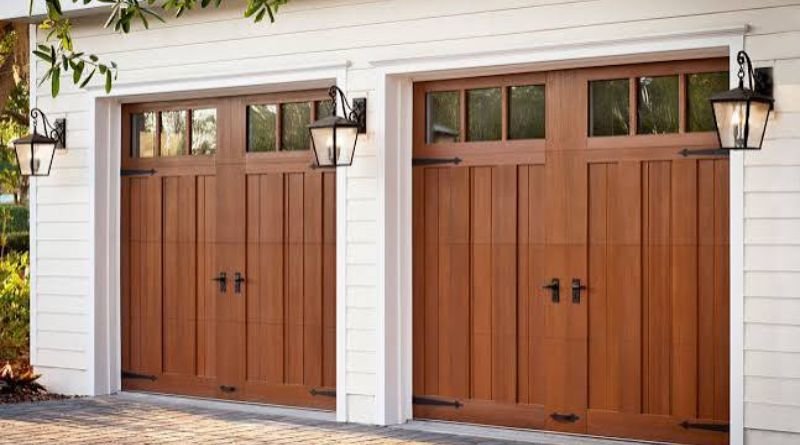
Chicago’s Premier Garage Door Experts
October 16, 2026
Maintaining a smooth, secure, and weatherproof overhead entrance is critical for homeowners across the Chicagoland area. From harsh sub-zero winter blasts to humid summer storms, local weather puts immense stress on mechanical springs, tracks, and openers. Choosing a dependable provider for your Garage Door in Chicago ensures that your property remains protected, energy-efficient, and easily accessible year-round. Expert service safeguards home security while enhancing curb appeal across diverse neighborhood home styles. Whether you need emergency spring replacement, custom wooden door installation, or modern smart opener integration, understanding service requirements is essential. This comprehensive guide covers common local overhead door challenges, key criteria for selecting top contractors, and essential maintenance steps to ensure long-term system performance. Why Professional Care for a Garage Door in Chicago Is Essential Living in the Midwest presents distinct environmental conditions that impact overhead mechanical hardware far more severely than in milder climates. Partnering with experienced local technicians helps prevent unexpected operational breakdowns and costly emergency repairs. Combating Harsh Midwestern Climate Stress Extreme temperature swings cause metal components to expand and contract repeatedly, accelerating material wear and fatigue. Spring Fatigue:Sub-zero temperatures render steel torsion springs brittle, making them significantly more prone to sudden snapping during winter morning operations. Track Misalignment:Ground shifting caused by freeze-thaw cycles can warp vertical guide tracks, causing rollers to bind or pop out of alignment. Perimeter Seal Deterioration:Freezing rain and road salt degrade rubber weather stripping, allowing cold drafts and water infiltration into attached garages. Safeguarding Residential Perimeter Security A garage door often serves as the primary entrance to a residence, making system reliability essential for household security. Forced-Entry Prevention:Sturdy, well-maintained panels and working locking mechanisms deter unauthorized access to stored vehicles and interior home entry points. Smart Monitoring:Integrating modern automated openers provides real-time mobile notifications whenever access points open or remain unlatched. Comprehensive Overhead Door Solutions Top-tier specialists offer a full range of services designed to address both immediate mechanical emergencies and long-term aesthetic home upgrades. Service Category Primary Issues Addressed Typical Operational Impact Spring & Cable Repair Snapped torsion springs, frayed cables Restores high-tension counterbalance and heavy lifting New Door Installation Aging panels, low thermal insulation Elevates exterior curb appeal and boosts garage R-value Opener Servicing
Read morePage First Link Building for SaaS: A Practical Plan for Small Teams
October 14, 2026
Building a software company from a home office often means balancing product work, customer support, and marketing with a limited budget. Link building can help
Read moreInterior Design
How Cold Weather Affects Garage Openers
Dr. Homey
October 16, 2026
Chicago’s Premier Garage Door Experts
Dr. Homey
October 16, 2026
Page First Link Building for SaaS: A Practical Plan for Small Teams
Dr. Homey
October 14, 2026
Room Decor
How Cold Weather Affects Garage Openers
Dr. Homey
October 16, 2026
As winter approaches and temperatures drop below freezing, homeowners across the country begin insulating pipes, servicing furnaces, and preparing their properties for harsh weather. While indoor heating and roof maintenance usually command attention, understanding how cold weather garage openers perform under extreme thermal stress is equally crucial for maintaining daily home accessibility and security. Cold weather exerts significant physical and electrical pressure on motorized drive units, causing sluggish response times, loud mechanical grinding, or sudden operational failure. Your automatic overhead door operator relies on delicate circuit boards, electric motor windings, lubricated drive gears, and consistent battery voltage to lift hundreds of pounds smoothly. Sub-zero temperatures harden internal lubricants, reduce battery output, contract metal drive rails, and increase mechanical drag across the entire door assembly. Taking a proactive approach to winter preparation safeguards your motor, prevents unexpected garage lockouts, and extends the lifespan of your garage door operator. Key Takeaway: Freezing temperatures increase mechanical drag, drain backup batteries, and thicken drive gear lubricants. Performing seasonal maintenance and adjusting opener force settings before winter prevents sudden motor burnouts and maintains reliable garage entry. The Primary Impacts of Cold Weather Garage Openers Sub-zero climate conditions alter the physical and electrical environment in which your garage door operator functions. Recognizing how freezing temperatures disrupt opener components allows you to apply targeted maintenance solutions before problems arise. Thickened Gear Lubricant:Cold weather thickens factory grease inside opener gearboxes and along drive rails, turning fluid lubricant into a sticky gel that increases motor resistance. Depleted Backup Battery Capacity:Freezing ambient air slows chemical reactions inside emergency backup batteries, drastically reducing their voltage and overall charge retention. Contracted Metal Drive Rails:Steel and aluminum drive rails contract in extreme cold, altering chain or belt tension and increasing friction along the traveling trolley. Stiffened Logic Boards and Sensors:Rapid temperature fluctuations cause condensation on internal circuit boards and align safety sensor brackets out of position as metal frames shift. 4 Common Mechanical Failures Caused by Sub-Zero Temperatures Understanding the specific failure points caused by cold weather helps you diagnose issues quickly and avoid unnecessary component replacements. Motor Overloading and Tripping Force Limits Automatic openers feature built-in force sensitivity limits designed to stop and reverse the door if an obstruction is detected. In freezing weather, thickened track grease, contracted springs, and stiff weather seals increase overall resistance. The opener misinterprets this extra friction as a solid obstruction, causing the door to stop mid-travel or reverse automatically. Stripped Internal Drive Gears Many residential openers use high-strength plastic or nylon drive gears inside the main motor housing. When freezing temperatures harden track grease and stiffen door hardware, the motor must exert far more torque to move the door. This excessive resistance can strip plastic gear teeth, leaving the motor humming without moving the drive chain or belt. Safety Sensor Condensation and Misalignment Infrared photo-eye safety sensors mounted near the garage floor are highly sensitive to winter weather conditions. Warm air from an attached home meeting freezing garage air creates condensation or frost on sensor lenses, blocking the invisible beam. Additionally, ground freezing can cause garage floor slabs to shift slightly, nudging safety sensors out of alignment and preventing door closure. Sluggish Battery Backup Response Modern garage door openers include emergency battery backup units to ensure operation during power outages. Lead-acid and lithium batteries lose a significant percentage of their storage capacity when ambient temperatures drop below freezing. A cold backup battery may fail to lift the heavy door when an ice storm cuts off primary electrical power. Step-by-Step Winter Maintenance Guide for Garage Openers Follow these practical, numbered steps to protect your opener unit from winter damage and ensure smooth, whisper-quiet operation throughout the freezing months. Step 1: Clean and Lubricate the Trolley Rail Assembly Proper lubrication along the main drive rail minimizes friction and protects internal motor gears from excessive strain. Wipe Down the Rail:Use a clean, dry microfiber cloth to remove old, hardened grease and dust along the length of the trolley rail. Apply White Lithium Grease:Apply a thin, even layer of low-temperature white lithium grease along the top contact surface of steel trolley rails.
Chicago’s Premier Garage Door Experts
October 16, 2026
Page First Link Building for SaaS: A Practical Plan for Small Teams
October 14, 2026

3 Smart Living Room Upgrades That Instantly Double Your Space & Style
September 20, 2026

Steps for Roof Stabilization and Heavy Tarping Solutions
September 20, 2026